Startup business credit cards
Discover the right credit card for your new business





Our best business credit cards - May 2026
What is a business credit card for startups?
A business credit card for startups is specifically designed to help new businesses manage expenses, build credit, and promptly access the money they need.
It’s common for startup cash flow to fluctuate, and a business credit card can provide a simple, reliable way to manage unexpected expenses, cover short-term costs, and earn rewards. Common uses include paying for office supplies, marketing, travel, electricity and gas bills, or other essential services.
Unlike a personal credit card, which is tied to your individual credit history, a business credit card is linked to your business. This means you can separate personal and business finances, which is crucial for maintaining clear financial records and building a credit score for your business.
Can I get a credit card if my business is newly formed?
You can get a business credit card if your company is brand new, though you may have to jump through some additional hoops, as startups generally lack much credit history or proven revenue.
Many lenders offer cards specifically for new businesses, often assessing the business founder’s personal credit history instead of the business itself.
You may need to share some basic details like your business plan or expected income to qualify - but if you do, you’ll be able to access credit and begin building your business’s financial profile from day one.
What is the eligibility criteria for a business credit card?
To get a business credit card in the UK, you typically need to meet a few core eligibility requirements. These can vary depending on your business structure and by provider.
In most cases, you’ll need to:
Be aged 18 or over
Be a UK resident
Pass a credit check (this could be personal, business, or both)
Own or operate a UK-based business
Have a business bank account (or plan to open one)
Sole traders and new startups
For sole traders or new startups, providers are more likely to base approval on your personal credit history, since your business itself may not yet have a credit record.
Some lenders may also ask for proof of income, projected turnover, or Companies House registration details - especially for newly registered limited companies.
Eligibility criteria can vary from one provider to another too, so it’s important to compare options and check individual requirements before you apply.
Our best business credit card for startups
Our editors have handpicked this as the best business credit card for startups, offering standout features with no annual fee.
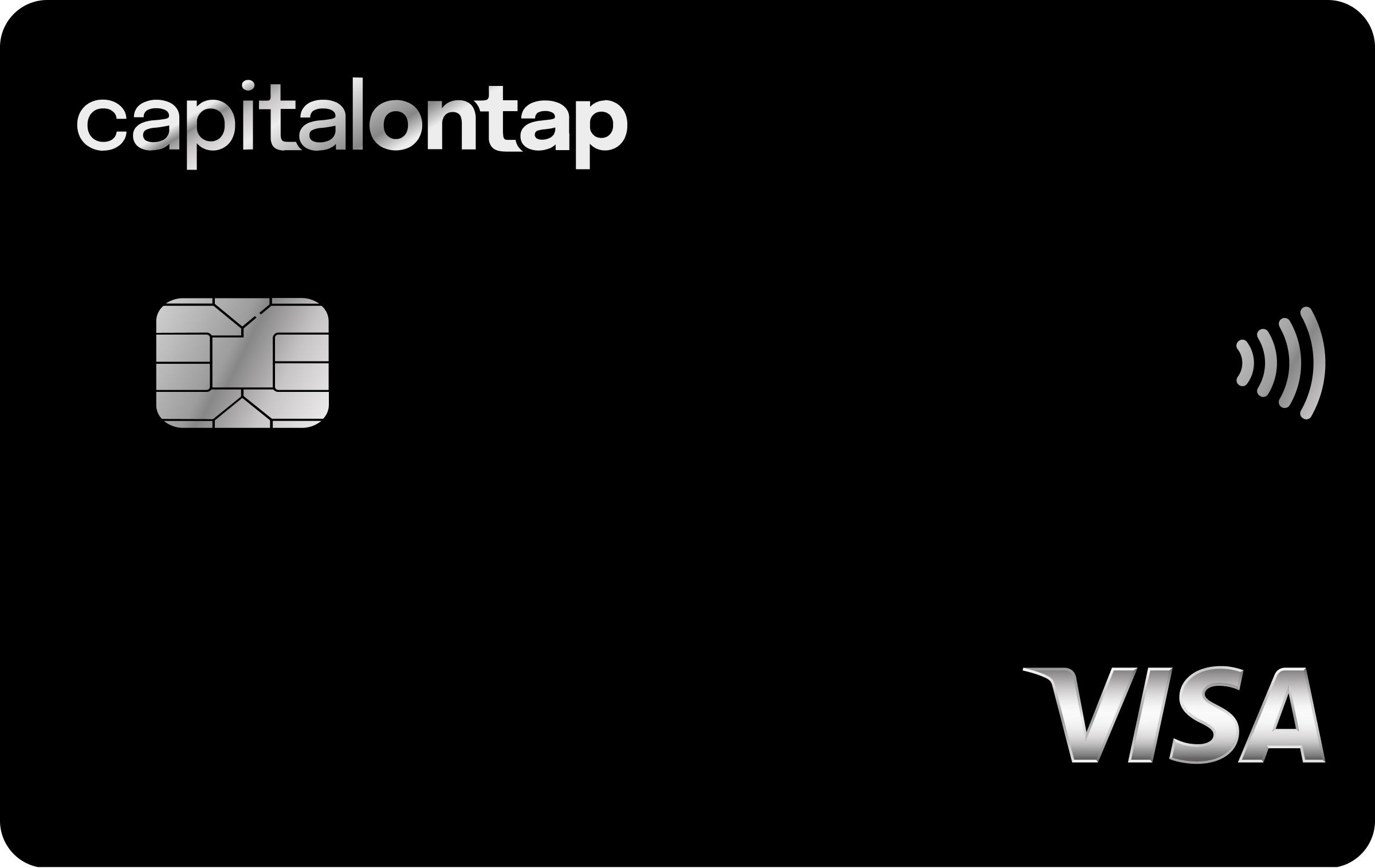
Representative example: Representative rate is 34.65% APR (variable).
“Perfect for startups, this card offers uncapped 1% cashback, exclusive rewards, and flexible redemption options, including Avios, cash, or balance reduction. With no annual fee, free employee cards, no FX fees, and 24/7 support, it’s built for growing businesses.”
Key features to consider when choosing a business credit card
Key features to consider when choosing a business credit card
APR (Annual Percentage Rate)
APR is the total cost of borrowing over a year, including interest and any standard fees.
Look for a card with a low APR if you plan to carry a balance. This will help reduce the cost of borrowing over time.
For business credit cards, APR helps you compare the true cost of different card options.
Some cards offer a low or 0% introductory rate, which can help manage early expenses, but be sure to check how long this offer lasts and what the rate increases to afterwards.
Rewards
Some cards offer cashback, travel points, or other rewards. If you regularly make business purchases, a rewards card can help you earn back a percentage of your spending.
Credit limit
A higher credit limit provides more room for larger purchases and can help you manage cash flow. However, choose a card with a limit that aligns with your current business spending to avoid unnecessary debt or overspending.
Interest-free period
Some cards offer an interest-free period (usually 40-56 days) on purchases. If you pay off your balance before the period ends, you can avoid paying interest.
Fees
Be aware of annual fees, foreign transaction fees, and any other charges. A card with no annual fee might be ideal for a startup looking to keep initial costs low.
How to prioritise features
Carefully compare your business’s spending habits and financial goals to the features of each card to choose one that will genuinely benefit you and your business.
If cash flow is tight
If your business spends regularly
If you're just starting out
How to apply for a business credit card for the first time
What credit score do I need to qualify for a business credit card?
There’s no specific credit score required to get a business credit card, but your personal and/or business credit history will play a key role in the approval process, especially if your business is new.
Most providers carry out a credit check when you apply. For startups and sole traders, this usually means checking your personal credit score, since the business may not have an established credit profile or enough of a credit history yet.
Can I apply with no credit score?
Some providers offer business credit cards to startups with limited or no credit history.
These are often designed for new businesses, so they may rely more heavily on your personal credit history or other financial indicators - such as income or a solid business plan.
Five tips to improve your chances of getting a business credit card
Check and improve your personal credit score by paying bills on time, keeping credit utilisation low, and making sure you're on the electoral roll to help lenders verify your identity
Open a business bank account and use it consistently
Register your business with Companies House (if applicable)
Avoid multiple applications in a short period
Consider a provider that offers eligibility checkers with soft searches (this won’t impact your credit score)
Remember, even if your credit isn’t perfect, there are still startup-friendly options available, and using a business credit card responsibly can help build your business’s credit over time.
Pros and cons
Pros
Cons
“For startups, a business credit card isn’t just a way to pay for things – it’s a practical tool for building early momentum. It can help manage day-to-day cash flow, track spending, and lay the groundwork for stronger business credit as you grow.”

How can a business credit card help build my business credit history?
Using a business credit card responsibly is one of the easiest (and most effective) ways to start building your company's credit profile.
A strong business credit history can make it easier to:
Qualify for business loans or credit lines in the future
Access better interest rates and repayment terms
Build trust with suppliers or partners who check credit reports
Each time you make on-time payments and manage your credit wisely, it sends a positive signal to lenders and credit reference agencies. Essentially, it shows that you are good with your money.
What are some alternative finance options?
What are some alternative finance options?
Business current account with an overdraft
Many business bank accounts offer arranged overdrafts, which can be an efficient way to manage cash flow.
Pros: Quick access to funds, and only pay interest when you use it.
Cons: Usually lower limits, and can be expensive if used long term.
Business line of credit
A revolving credit facility that lets you borrow up to an agreed limit and only pay interest on what you use.
Pros: More scalable than a credit card, and ideal for ongoing needs.
Cons: May require a stronger credit profile or trading history.
Startup business loans
Fixed-term loans designed for early-stage businesses, sometimes offered by banks or government-backed schemes like the Start Up Loans programme.
Pros: Larger borrowing amounts, and fixed interest and repayment terms.
Cons: Requires a strong business plan, and slower to arrange than a credit card.
Small business grants
Free funding from government or private organisations, with no repayment required.
Pros: No interest or repayments.
Cons: Competitive and limited; usually tied to specific criteria or sectors.
How do these options compare to business credit cards?
Credit cards are generally the best choice for short-term, everyday spending, especially as they tend to come with added perks like expense tracking and rewards such as Avios points or cashback. Other options - loans or overdrafts, for example - may be better suited for larger investments or if you need consistent cash flow support.
The right option will depend on how much funding you need, how fast you need it, and your ability to repay money consistently.
Disclaimer: Terms, rates, and offers for financial products are subject to change. Always check the latest information directly with the provider before applying.
FAQs
About the author

Find out more about business credit cards


Didn’t find what you were looking for?
Alternative lending products
Other business products you may need
Customer Reviews

Everything you need to gain credit for…

Very fast and efficient. From start to finish it was easy to follow the application.
Great website
 Uncapped 1% cashback on all card spend. Convert points to Avios or Virgin Points
 Free UK ATM withdrawals
+(1).png?w=150&auto=format%2Ccompress)